
Latest & Greatest

browse recipes

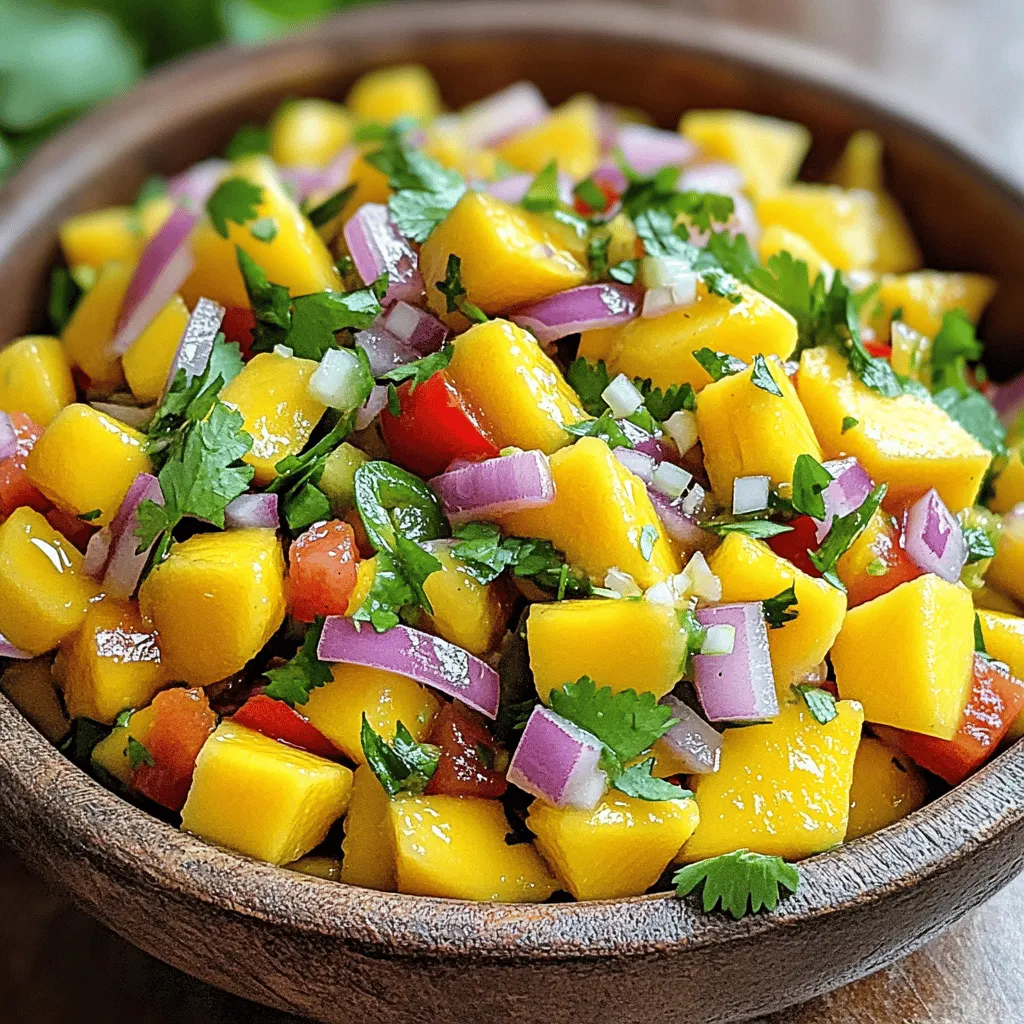
To make fresh mango salsa, you need these key ingredients: - 2 ripe mangoes, diced - 1 small red onion, finely chopped - 1 red bell pepper, diced - 1 jalapeño, deseeded and minced (adjust for spice level) - 1/4 cup fresh cilantro, chopped - Juice of 2 limes - 1 tablespoon honey - Salt to taste - Black pepper to taste These ingredients create a bright and vibrant salsa. The ripe mangoes give it sweetness. The red onion adds crunch, while the jalapeño offers a kick. Fresh cilantro ties it all together, and lime juice brightens the flavors. When choosing mangoes, look for these signs of ripeness: - A slight give when you press the skin - A sweet aroma near the stem - Skin color that is mostly yellow or red The best types of mangoes for salsa are the Haden and Tommy Atkins varieties. They are sweet and juicy, making them perfect for this dish. You can add more flavor to your salsa with these options: - A pinch of cumin for warmth - A dash of chili powder for extra heat - Diced avocado for creaminess - Chopped pineapple for sweetness These additional ingredients can enhance the taste or create unique flavor profiles. Feel free to experiment and make it your own! For the full recipe, check out the Mango Salsa Fiesta section. To make great mango salsa, start with the mangoes. Choose ripe mangoes that yield slightly when pressed. This means they are sweet and juicy. 1. How to dice mangoes correctly: - Cut off the sides of the mango. - Score each piece into cubes, but do not cut through the skin. - Use a spoon to scoop out the cubes. Next, prepare the onions and peppers. 2. Chopping onions and peppers: - For the red onion, cut it in half and then slice thinly. - For the red bell pepper, remove the seeds and slice into small pieces. - If you like spice, take a jalapeño, cut it in half, and remove the seeds before mincing it finely. Now it's time to mix all the fresh ingredients. 1. Mixing fresh ingredients: - In a medium bowl, add the diced mango, chopped onion, diced bell pepper, and minced jalapeño. - Remember to stir gently. You don’t want to mash the mango. 2. Proper method for tossing without mashing: - Use a large spoon to lift and turn the mixture. - This way, you keep the mango cubes intact and the salsa looks pretty. The dressing adds a zesty touch to the salsa. 1. Steps for whisking lime juice and honey: - In a small bowl, squeeze the juice of two limes. - Add a tablespoon of honey and a pinch of salt and black pepper. - Whisk this mixture until it combines smoothly. 2. Importance of seasoning balance: - Taste your dressing. It should be tangy and sweet. - Adjust with more salt or lime juice if needed. After mixing, pour the dressing over the salsa. Toss lightly, and let it sit for 15 minutes. This helps all the flavors blend. Enjoy your fresh and flavorful mango salsa! For the complete instructions, check the Full Recipe. To make mango salsa truly shine, let it rest before serving. This time allows all the flavors to blend well. Just 15 minutes is enough for a tasty salsa. You can also adjust the spice level to suit your taste. If you prefer mild salsa, leave out the jalapeño seeds. If you like heat, add more minced jalapeño or use a hotter pepper. Serving your mango salsa in a colorful bowl makes it pop. I love to pair it with tacos or grilled fish. The sweet and spicy flavors of the salsa balance perfectly with these dishes. You can also serve it with tortilla chips for a fun snack. One common mistake is over-mixing the ingredients. This can mash the mango and ruin the texture. Instead, gently stir to keep the mango pieces intact. Another mistake is not using ripe fruit. Ripe mangoes make the salsa sweet and juicy. Check for a slight give when you press the skin. Always choose ripe mangoes for the best results. For the full recipe, check the earlier section. {{image_2}} You can add more fruit to your mango salsa. Pineapple or kiwi works great. Both fruits bring a sweet and tangy flavor. They also add fun colors to your dish. You can chop them small and mix them in. You can also try different herbs. Mint or basil can give a fresh twist to the salsa. Each herb adds its own unique taste, so feel free to play around! Not everyone loves the heat from jalapeño. If you want less spice, try using bell pepper instead. You can also use a milder pepper, like poblano. For more heat, add crushed red pepper flakes or cayenne. A little goes a long way! You can experiment with spices like cumin for a smoky flavor. This adds depth and excitement to your mango salsa. Mango salsa is not just about mango. You can mix it with black beans for added protein. This combo makes it hearty and filling. Just rinse canned black beans before adding them. You can also blend in ripe avocado for creaminess. Avocado makes the salsa smooth and rich. Both options create a different and tasty twist on the classic mango salsa. To keep mango salsa fresh, use airtight containers. Glass or plastic containers work well. Make sure the lid seals tightly to keep air out. Store the salsa in the fridge right after making it. This helps maintain its bright flavors. The cooler temperature slows down spoilage. You can freeze mango salsa if you want to save some for later. First, pour the salsa into freezer-safe bags or containers. Leave some space at the top for expansion. Seal them tightly. To thaw, place the salsa in the fridge overnight. This keeps the flavor intact and helps the texture. Avoid thawing it in the microwave, as it may change the salsa's quality. Mango salsa lasts about 3 to 5 days in the fridge. Always check for signs of spoilage. If you see any mold or off smells, it’s best to throw it away. Fresh salsa should have a vibrant look and smell fruity and tangy. If it looks dull or watery, it may be time to say goodbye. For the best taste, enjoy your salsa within the first few days. You can find the full recipe in the article. To add heat, use more jalapeños. You can also try these tips: - Use a serrano pepper instead of jalapeño for a bolder kick. - Add crushed red pepper flakes to the mix for extra spice. - Incorporate hot sauce into the dressing for a zesty twist. Adjust the spice level to suit your taste. Always start with a little, then add more if needed. Yes, you can prepare mango salsa ahead of time! Here are some best practices: - Chop all ingredients and mix them together, but wait to add the dressing. - Cover it tightly with plastic wrap and store it in the fridge. - Add the dressing just before serving to keep the salsa fresh. This way, the flavors will blend well, but the veggies stay crisp. Mango salsa is very versatile. Here are some great serving suggestions: - Serve it with tacos for a fresh topping. - Top grilled fish or chicken to enhance the flavor. - Use it as a dip with tortilla chips for a fun snack. Mango salsa adds a bright touch to many dishes. Enjoy the vibrant flavors! Making fresh mango salsa is easy and fun. You learned the key ingredients, like ripe mangoes, fresh veggies, and herbs. I shared tips on picking perfect mangoes and how to prepare them. You can mix in optional spices and even try tropical fruit variations. In closing, don't hesitate to experiment. Allow your salsa to rest for better flavor. Serve it with tacos or grilled fish for a tasty twist. Proper storage keeps your salsa fresh for days. Get creative and enjoy this bright, flavorful treat!

Mango Salsa: Fresh and Flavorful Delight Recipe

Mango salsa is a sweet and spicy treat that brightens up any meal. This easy recipe combines ripe mangoes with fresh veggies and herbs…

My Latest Desserts

My Latest Recipes

hey,

i’m !

I’m so happy you’re here!

I’m not just sharing recipes I’m sharing a piece of my heart. I hope these dishes bring you comfort, joy, and maybe even a new favorite.

Pasta alla Sorrentina Flavorful and Easy Recipe Guide

Pasta alla Sorrentina is a true taste of Italy that brings joy to any table. In this guide, I’ll show you how to whip…
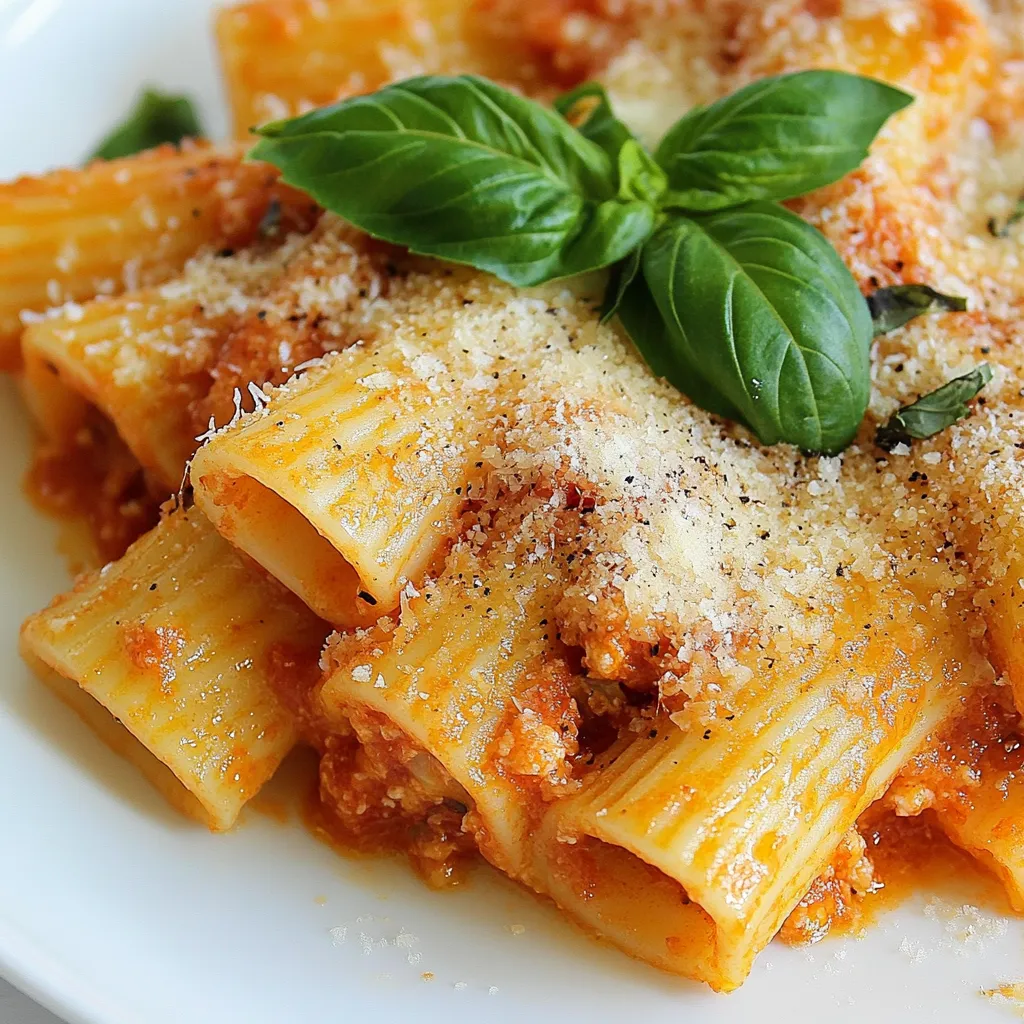

- 350g pasta (preferably ziti or penne) - 400g crushed tomatoes (canned or fresh) - 200g fresh mozzarella, cubed - 50g grated Parmesan cheese - 2 cloves garlic, minced - 1 tablespoon olive oil - Fresh basil leaves, for garnish - Salt and pepper to taste - A pinch of red pepper flakes (optional) For your crushed tomatoes, you can use canned or fresh ones. Fresh tomatoes add a nice touch. If you don’t have fresh mozzarella, you can use low-moisture mozzarella. It melts well, too. Use sea salt for a better flavor. Fresh basil is best, but dried basil works if you can't find it. Ziti and penne are the best choices for this dish. They hold the sauce well. You can also use rigatoni or fusilli if you prefer. These shapes capture the cheese and sauce. Enjoy experimenting with your favorite pasta! {{ingredient_image_1}} To start, fill a large pot with water and add salt. Bring it to a boil. Once boiling, add 350g of pasta, like ziti or penne. Cook until al dente, which means it should still be firm. This usually takes about 8 to 10 minutes. Drain the pasta and save about 1 cup of the water. Set the pasta aside. Next, grab a large skillet. Heat 1 tablespoon of olive oil over medium heat. Add 2 minced garlic cloves and stir for about 1 minute. You want the garlic to smell good but not brown. Then, pour in 400g of crushed tomatoes. Season with salt, pepper, and a pinch of red pepper flakes if you like spice. Stir it well and let it simmer for about 10 to 15 minutes. The sauce should thicken a bit. Now, it’s time to combine everything. Add the cooked pasta to the skillet with the sauce. Stir it all together, adding some reserved pasta water if needed. This makes the sauce creamier. Next, mix in 200g of cubed fresh mozzarella and half of 50g of grated Parmesan. The cheese should melt a little. Transfer the pasta mix into a baking dish. Sprinkle the rest of the Parmesan on top. Preheat your oven to 180°C (350°F) and bake for about 20 minutes. You want it bubbly and golden on top. When it’s done, let it rest for a few minutes. Garnish with fresh basil leaves before serving. Enjoy your Pasta alla Sorrentina! To get the right texture in Pasta alla Sorrentina, focus on the sauce. It should be thick but not too dry. Start with crushed tomatoes. Simmer them with salt, pepper, and garlic. This brings out rich flavors. If the sauce is too thick, add a little pasta water. This helps the sauce cling to the pasta better. Stir well to coat every piece. The pasta should feel creamy, not sticky. For the best cheese melt, use fresh mozzarella. Cut it into small cubes. Mix it in with the hot pasta and sauce. The heat will help it melt evenly. Don’t add the mozzarella too early; it may lose its nice texture. You can also sprinkle some grated Parmesan on top before baking. This creates a lovely golden crust. Bake until the cheese is bubbly for the best taste. One common mistake is overcooking the pasta. Aim for al dente. It will cook more in the oven. Another mistake is not using enough salt. The pasta water should be salty to enhance the flavor. Lastly, don’t skip the basil garnish. It adds a fresh touch. Remember, cooking is about balance and flavor, so pay attention to each step. Pro Tips Choose the Right Pasta: Using ziti or penne helps the sauce cling better, enhancing the overall flavor of the dish. Quality Ingredients Matter: Opt for high-quality canned tomatoes and fresh mozzarella for a richer taste. Reserve Pasta Water: The starchy pasta water can help adjust the sauce's consistency, making it creamier and more cohesive. Rest Before Serving: Letting the baked pasta sit for a few minutes allows the flavors to meld and makes serving easier. {{image_2}} Pasta alla Sorrentina is already a tasty vegetarian dish. You can enhance it by adding veggies. Try spinach, zucchini, or bell peppers. Sauté them with garlic before adding the tomatoes. This adds color and nutrients. If you want meat, try adding ground beef or sausage. Brown the meat first in the skillet before adding garlic. This adds depth to your sauce. You can also use chicken or pancetta for a different flavor. For a gluten-free version, choose gluten-free pasta. Brands now offer great options that taste good. You can also use spiralized vegetables like zucchini or sweet potatoes. These add a fresh twist to the dish. After enjoying your Pasta alla Sorrentina, cool it down to room temperature. Then, place it in an airtight container. Make sure to store it in the fridge. It stays fresh for three to five days. If you want to keep it longer, consider freezing it. To reheat your pasta, you can use the oven or a microwave. For the oven, preheat it to 180°C (350°F). Place the pasta in an oven-safe dish, cover it with foil, and heat for about 15 to 20 minutes. If you use a microwave, put the pasta in a microwave-safe bowl. Heat it in short bursts, stirring in between, until hot. Add a splash of water if it seems dry. If you want to freeze your Pasta alla Sorrentina, pack it in airtight containers or freezer bags. Make sure to leave some space at the top, as the pasta will expand when frozen. It can last up to three months in the freezer. When you're ready to eat, thaw it in the fridge overnight before reheating. I recommend using ziti or penne for Pasta alla Sorrentina. These shapes hold sauce well. They also give a nice bite when cooked right. Ziti has a smooth surface, while penne has ridges. Both types add texture and flavor to this dish. Yes, you can use dried herbs if fresh are not available. Use about one-third of the amount. Dried herbs are more potent than fresh ones. For this recipe, dried basil works well. Just remember to add them when cooking the sauce. To add spice, include red pepper flakes. You can add this while making the sauce. Start with a pinch and taste as you go. If you want more heat, add more flakes. You can also add sliced fresh chili peppers for extra kick. This post covered the key ingredients and steps to make Pasta alla Sorrentina. We discussed pasta types, sauce preparation, and baking methods. You learned tips for perfect consistency and cheese melting. Additionally, we explored variations and how to store leftovers. In summary, this dish is versatile and easy to prepare. With these steps, your meal will impress everyone. Try it, and enjoy the tasty flavors!