


Latest & Greatest

browse recipes

For classic deviled eggs, you need a few simple ingredients. Here’s what you’ll need: - 6 large eggs - 3 tablespoons mayonnaise - 1 teaspoon Dijon mustard - 1 teaspoon apple cider vinegar - Salt and black pepper to taste - 1 teaspoon paprika (plus extra for garnish) - 1 tablespoon fresh chives, finely chopped (optional) These ingredients come together to create a tasty filling. Each item plays a key role in the flavor. If you have special dietary needs, you can tweak the recipe. Here are some great swaps: - Mayonnaise: Use Greek yogurt for a lighter option or avocado for a creamy twist. - Dijon mustard: Try yellow mustard or omit it for a milder taste. - Apple cider vinegar: Swap with lemon juice for a fresh zing. - Chives: You can use green onions or pickles for a different flavor. These substitutions keep the taste enjoyable while meeting your needs. Choosing the right eggs matters for great deviled eggs. Here are my tips: - Freshness: Use eggs that are about a week old. They peel easier than very fresh eggs. - Size: Large eggs work best. They provide enough filling without being too bulky. - Quality: Organic or free-range eggs often taste better. They can enhance the flavor of your dish. These tips help you select the best eggs for your classic deviled eggs. For the full recipe, check out the section above! To make great deviled eggs, start by boiling the eggs right. Here’s how: 1. Place the eggs in a pot. Cover them with cold water. The water should be about an inch above the eggs. 2. Heat the water. Turn the stove to medium-high and bring it to a boil. 3. Cover the pot. When the water boils, put a lid on the pot. Turn off the heat and let the eggs sit for 12 minutes. This step is key for a perfect yolk. 4. Cool the eggs. After 12 minutes, move the eggs to a bowl of ice water. Let them cool for at least 5 minutes. This helps with peeling later. Peeling eggs can be tricky. Here are some tips to make it easier: - Use older eggs. Fresh eggs can be harder to peel. If you can, buy eggs that are about a week old. - Crack under water. After cooling, gently crack the eggs under running warm water. This helps remove stubborn bits of shell. - Peel gently. Start peeling from the wider end. The air pocket there can help lift the shell away. Now, let’s make the tasty filling for your deviled eggs: 1. Slice the eggs. Cut the cooled eggs in half lengthwise. Carefully scoop out the yolks into a bowl. 2. Mix the filling. Add the mayonnaise, Dijon mustard, apple cider vinegar, salt, black pepper, and paprika to the yolks. Use a fork to mix everything until smooth. 3. Adjust to taste. If you like some texture, leave small bits of yolk. Taste the mixture and add more seasoning if needed. 4. Fill the egg whites. Spoon or pipe the yolk mixture back into the egg whites. For a fun look, use a piping bag with a star tip. 5. Garnish. Once filled, sprinkle extra paprika on top. You can also add chopped chives for a fresh touch. Now your classic deviled eggs are ready to chill! Check out the Full Recipe for more details on making this delightful appetizer. To make the filling creamy, start with fresh ingredients. Use good mayonnaise and Dijon mustard. The key is to mash the yolks well. I recommend using a fork. Blend until smooth and free of lumps. If you want extra creaminess, add a touch more mayonnaise. A splash of apple cider vinegar adds brightness too. Mix everything in a bowl and taste it. Adjust the seasoning to your liking. Deviled eggs should look as good as they taste. Use a piping bag for a fun look. A star tip makes swirls that impress. Don’t rush the filling; take your time to make it neat. Sprinkle paprika on top for color. If you have chives, chop them finely and sprinkle them too. Arrange the eggs on a pretty plate. A clean, white plate makes the colors pop. Avoid overcooking the eggs. This makes the yolks turn greenish. Stick to the 12-minute rule after boiling. Next, peeling can be tricky. Use older eggs if you can. Fresh eggs are harder to peel. Lastly, don’t skip the chill time. Letting them rest in the fridge allows flavors to blend. For more details on making perfect classic deviled eggs, check out the Full Recipe. {{image_2}} You can easily add fun flavors to classic deviled eggs. Here are some tasty ideas: - Bacon and Cheddar: Mix in crumbled bacon and sharp cheddar cheese for a hearty bite. - Sriracha: Add a bit of Sriracha for a spicy kick. Adjust to your taste. - Curry Powder: Stir in curry powder for a warm, exotic twist. It pairs well with the creamy yolks. - Smoked Salmon: Fold in chopped smoked salmon and dill for a luxurious treat. - Avocado: Replace some mayo with mashed avocado for a creamy, fresh taste. You can make deviled eggs healthier while still keeping them delicious. Here are some swaps: - Greek Yogurt: Use Greek yogurt instead of mayonnaise. It adds protein and tang. - Mustard: Experiment with different mustards like whole grain or spicy brown for added flavor. - Vinegar: Swap apple cider vinegar with lemon juice for a bright flavor. - Herbs: Use fresh herbs like parsley or cilantro instead of chives to change the taste. - Spices: Try adding smoked paprika or cayenne pepper for extra flavor without extra calories. Toppings can make your deviled eggs stand out. Consider these ideas: - Microgreens: A sprinkle of microgreens adds color and a fresh taste. - Pickles: Chopped pickles or relish give a nice crunch and tang. - Caviar: For a fancy touch, top with caviar or fish roe. - Nuts: Crushed nuts like pistachios or almonds add a nice crunch and flavor contrast. - Edible Flowers: Use edible flowers for a beautiful and unique presentation. For the full recipe and step-by-step instructions, check out the Full Recipe. To store leftover deviled eggs, place them in an airtight container. Cover the eggs with plastic wrap. This keeps them fresh and avoids strong odors from other foods. Make sure to keep the filling intact and avoid touching the yolk mixture directly. This helps maintain their beautiful look. Deviled eggs stay fresh in the fridge for about three to four days. After this time, the eggs may lose flavor and texture. Always check for any signs of spoilage, like an off smell or discoloration, before eating. If you see any signs, toss them out. You can make deviled eggs a day in advance. Boil and cool the eggs, then store them whole in the fridge. Prepare the yolk filling and keep it separate in an airtight container. The next day, fill the egg whites and garnish just before serving. This keeps the eggs looking fresh and tasty. I recommend using large, fresh eggs for classic deviled eggs. Fresh eggs peel easier and have a better taste. Look for eggs that are not cracked and have a clean shell. Organic or pasture-raised eggs can add more flavor. The yolks should be bright yellow, indicating freshness. If you can, buy eggs that are locally sourced. This choice supports local farmers and often leads to better eggs. Yes, you can make deviled eggs vegan or vegetarian. For vegan deviled eggs, use silken tofu or mashed avocado instead of egg yolks. Add in vegan mayo for creaminess. You can also mix in mustard, vinegar, and spices for flavor. For vegetarian options, you can keep the egg whites and replace the yolk with a creamy mix of hummus or yogurt. Both methods keep the dish tasty and fun. If your filling is too runny, you can add more yolks or a thickener. Try adding extra mayonnaise or mustard to balance the texture. If it's too thick, mix in a small amount of vinegar or water to loosen it. Always taste as you adjust, so you keep the right flavor. A smooth, creamy filling is key to a delicious deviled egg. For the best results, follow the Full Recipe closely. In this post, we covered the essential steps for making classic deviled eggs. From choosing the best ingredients to detailed instructions on cooking and assembly, you now have the tools needed for your next appetizer. Remember to try different flavor variations and toppings to impress your guests. Always store leftovers properly and plan ahead for easy prep. Enjoy creating your delicious deviled eggs with confidence!

Classic Deviled Eggs Delightful and Easy Appetizer

If you want a simple and tasty appetizer, classic deviled eggs are your answer! This easy dish brings a delightful mix of flavors that…

My Latest Desserts

My Latest Recipes

hey,

i’m !

I’m so happy you’re here!

I’m not just sharing recipes I’m sharing a piece of my heart. I hope these dishes bring you comfort, joy, and maybe even a new favorite.
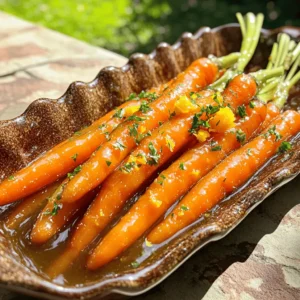
Garlic Roasted Asparagus Flavorful and Easy Recipe

If you’re looking for a simple yet delicious side dish, garlic roasted asparagus is perfect! This bright, flavorful recipe showcases the best of fresh…
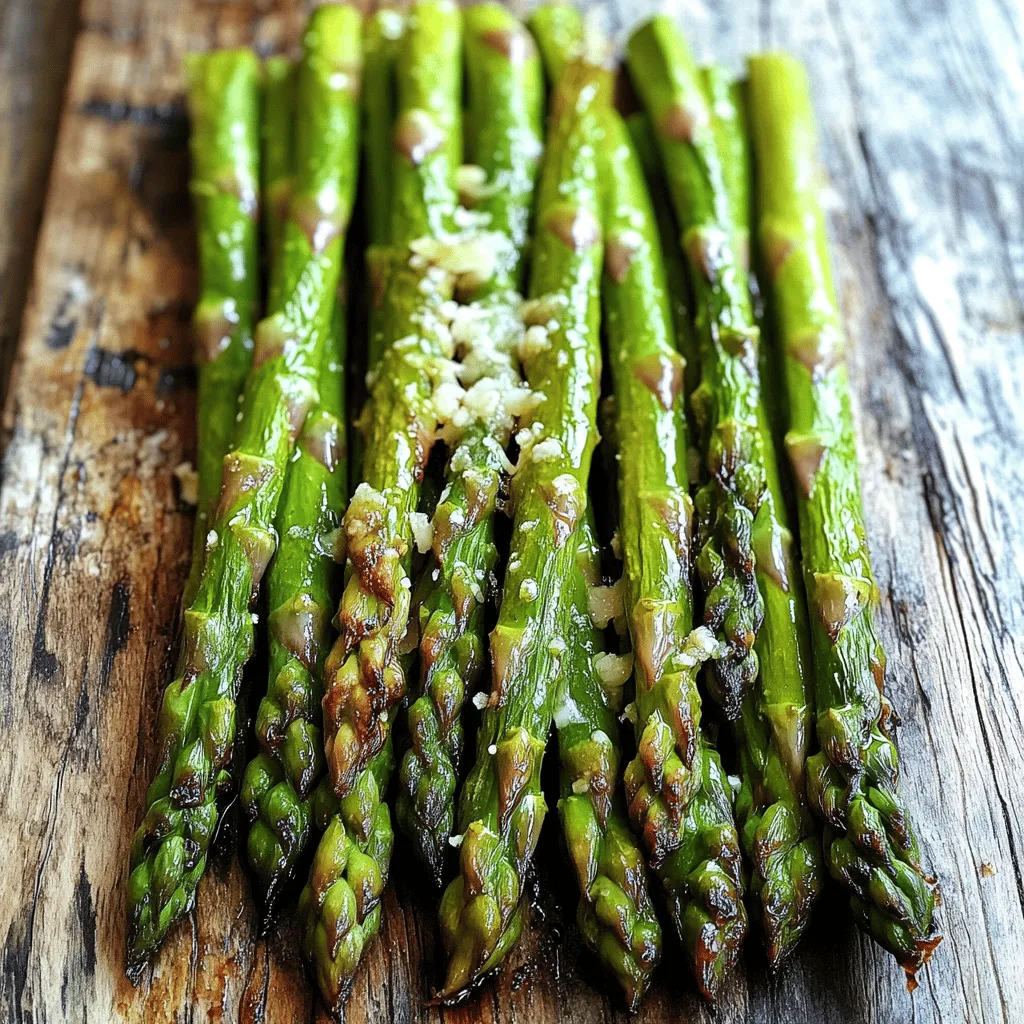

To make garlic roasted asparagus, you need fresh ingredients. Here’s what you’ll need: - 1 lb fresh asparagus, trimmed - 4 cloves garlic, minced - 3 tablespoons olive oil - 1 teaspoon lemon zest - Salt and pepper to taste These ingredients give the dish its strong flavor and healthy touch. Asparagus is crunchy and fresh, while garlic adds a rich taste. Olive oil helps roast the asparagus perfectly. You can mix in some extras to enhance your dish. Consider these fun options: - 1 teaspoon balsamic vinegar (for a tangy drizzle) - Grated Parmesan cheese (for a rich finish) Adding balsamic vinegar gives a sweet touch. Parmesan cheese brings creaminess and depth. Having the right tools makes cooking easier. Here’s what I suggest you use: - A large mixing bowl - A baking sheet - Parchment paper These tools help keep things clean and make cooking smooth. A mixing bowl allows for easy tossing of ingredients. A baking sheet ensures even roasting. Parchment paper helps with cleanup and prevents sticking. For the full recipe, check out the detailed instructions! To start, gather your ingredients. You will need 1 pound of fresh asparagus, 4 minced garlic cloves, 3 tablespoons of olive oil, 1 teaspoon of lemon zest, salt, and pepper. If you like, add balsamic vinegar and Parmesan cheese later. Next, wash the asparagus under cold water. Trim the tough ends off the stalks. This helps the asparagus cook evenly. Place the trimmed asparagus in a large mixing bowl. Add the minced garlic, olive oil, lemon zest, salt, and pepper. Toss until all the asparagus is coated well. Now it’s time to roast your asparagus! Preheat your oven to 425°F (220°C). Line a baking sheet with parchment paper. Spread the asparagus mixture in a single layer on the sheet. Make sure they are not crowded. This helps them roast better. Roast the asparagus for about 15 to 20 minutes. Keep an eye on them. You want them tender and slightly crispy at the tips. Toss the asparagus halfway through to cook evenly. If you like extra flavor, drizzle balsamic vinegar on top when they are done. Once your asparagus is ready, serve it hot. Sprinkle grated Parmesan cheese over the top for added richness. You can enjoy garlic roasted asparagus as a side dish with grilled chicken or fish. It also pairs well with pasta or a fresh salad. For a fun twist, try adding lemon wedges on the side for a burst of freshness. For the full recipe, you can refer back to the ingredients and instructions above. Enjoy your delicious garlic roasted asparagus! To roast asparagus well, start with fresh, firm stalks. Trim off the woody ends. This helps them cook better. Use a large bowl to mix the asparagus with garlic and olive oil. Make sure each piece is coated. Spread the asparagus in a single layer on the baking sheet. This allows them to roast and not steam. Roast at 425°F (220°C) for 15 to 20 minutes. Toss them halfway through for an even roast. They should be bright green and tender with crispy tips. While garlic is the star, you can add more flavors. Lemon zest brightens the dish. A drizzle of balsamic vinegar adds sweetness. You might also try red pepper flakes for heat. Fresh herbs like thyme or rosemary can add depth. Salt and pepper are essential for taste. Remember to adjust these to your liking. Grated Parmesan cheese is a great finish. It gives richness and a nice bite. One common mistake is overcrowding the baking sheet. This leads to steaming instead of roasting. Always leave space between the asparagus pieces. Another pitfall is under-seasoning. Don’t be shy with salt and pepper. A lack of flavor can make the dish dull. Also, avoid overcooking. Asparagus should be tender yet still have a slight crunch. Keep an eye on them as they roast. For more details, check the Full Recipe for Garlic Roasted Asparagus. {{image_2}} You can make this dish vegan and gluten-free easily. Skip the Parmesan cheese to keep it vegan. The garlic and olive oil bring a rich taste on their own. For gluten-free folks, this recipe is safe since it has no gluten ingredients. You can also add nutritional yeast for a cheesy flavor without dairy. If you want a smoky flavor, try grilling the asparagus. Preheat your grill to medium heat. Place the asparagus on skewers or a grill basket. Grill for about 5-7 minutes until tender. If you have an air fryer, use it! Set it to 400°F. Cook for 8-10 minutes, shaking halfway for even cooking. Both methods give a nice char and enhance the taste. Mixing flavors can take your dish to the next level. Consider adding crushed red pepper for heat. A squeeze of fresh lemon juice adds brightness. You can also toss in cherry tomatoes or bell peppers for color and taste. Experiment with herbs like thyme or rosemary. These extras make Garlic Roasted Asparagus even more delightful. Check out the Full Recipe for more ideas! After making garlic roasted asparagus, let it cool. Place your leftovers in an airtight container. This keeps the flavor fresh and prevents moisture loss. Store it in the fridge. It will last for about three days. If you want to keep it longer, consider freezing it. Reheating garlic roasted asparagus can be tricky. You want to keep it crispy. The best way is to use an oven. Preheat it to 350°F (175°C). Spread the asparagus on a baking sheet. Heat for about 10 minutes. This will help keep the texture nice. You can also use a skillet. Heat on medium for a few minutes until warm. Freezing is a great option if you have too much. First, let it cool completely. Then, place it in a freezer-safe bag. Squeeze out as much air as you can. Label the bag with the date. You can freeze it for up to three months. When you are ready to use it, thaw it in the fridge overnight. Reheat it in the oven for the best taste. These steps will help you enjoy your garlic roasted asparagus later. Roasting asparagus takes about 15 to 20 minutes at 425°F (220°C). The time can change based on the thickness of the asparagus. Thicker stalks may need a few extra minutes. Keep an eye on them. You want them tender and slightly crispy at the tips. Toss them halfway through to ensure even cooking. Yes, you can use frozen asparagus! Just remember to thaw them first. Pat them dry to remove extra moisture. This helps them roast better. They might not get as crispy as fresh asparagus, but they will still taste good. Asparagus is very healthy! It is low in calories and high in nutrients. Here are some benefits: - Rich in vitamins: Asparagus has vitamins A, C, E, and K. - High in fiber: This helps your digestion. - Good for heart health: It may lower blood pressure. - Contains antioxidants: These help protect your cells. Eating asparagus can be a great part of a balanced diet! Garlic roasted asparagus is simple and delicious. We explored the best ingredients, techniques, and tips. You learned how to prepare and serve this dish perfectly. We discussed variations for different diets and cooking methods. Proper storage and reheating make the leftovers taste great. With this guide, you can now make flavorful garlic roasted asparagus anytime. Enjoy your cooking journey and impress your family and friends with this tasty dish!