Go Back
- 1 lb (450g) ground beef - 3 tablespoons gochujang (Korean red chili paste) - 2 tablespoons soy sauce - 1 tablespoon sesame oil - 2 cups mixed vegetables (broccoli, carrots, bell pepper) - 1 tablespoon brown sugar - 2 cloves garlic, minced - 1 teaspoon ginger, grated - 2 cups cooked rice (white or brown) - Sesame seeds for garnish - 4 green onions, chopped To make Spicy Korean Beef Bowls, gather these main ingredients first. Ground beef is the star of this dish. It cooks quickly and absorbs flavors well. Gochujang adds the heat and umami. Soy sauce gives it depth, while sesame oil adds a nice nutty flavor. The mixed veggies bring color and crunch. Next, you’ll need the additional ingredients. Brown sugar balances the heat of the gochujang. Garlic and ginger boost flavor, making the dish aromatic and tasty. Cooked rice serves as a perfect base. Finally, sesame seeds and green onions add texture and freshness. This combination of ingredients makes for a simple yet tasty meal. You can adjust the veggies based on what you have at home. Enjoy the process of gathering and preparing these vibrant ingredients! {{ingredient_image_1}} 1. Start by heating a large skillet on medium-high heat. 2. Add 1 pound of ground beef to the skillet. 3. Cook the beef for about 5 to 7 minutes. 4. Break the meat apart with a spatula as it cooks. 5. Once the beef is browned, drain any extra fat if needed. 6. Lower the heat to medium and add the following: - 3 tablespoons gochujang - 2 tablespoons soy sauce - 1 tablespoon sesame oil - 1 tablespoon brown sugar - 2 cloves of minced garlic - 1 teaspoon grated ginger 7. Mix well to coat the beef evenly. 8. Let it simmer for another 2 to 3 minutes. 1. In a separate pot or steamer, add your veggies. - Use 2 cups of broccoli florets - 1 julienned carrot - 1 sliced bell pepper 2. Cook the vegetables until just tender, about 3 to 5 minutes. 3. You can also sauté the veggies in a bit of sesame oil for more flavor. 4. Once done, combine the veggies with the beef mixture in the skillet. 1. Take serving bowls and add a scoop of rice to each. - You can use 2 cups of cooked rice (white or brown). 2. Top the rice with the spicy beef and vegetable mix. 3. For a nice touch, garnish with chopped green onions and sesame seeds. 4. Enjoy your delicious Spicy Korean Beef Bowls! To get the best taste, gochujang is key. This Korean chili paste brings heat and depth. Use it in the right amount, three tablespoons, for balance. When cooking, keep the heat medium. This helps the beef soak up the flavors. Stir the mixture often. This way, all ingredients blend well. Prep your ingredients in advance. Chop veggies and measure sauces ahead of time. This makes cooking quick and easy. You can use leftover rice for this dish. It saves time and adds flavor. Just warm it up before serving. Pair your beef bowls with fresh sides. I love serving pickled cucumbers or a simple salad. These add a nice crunch. Drizzle some extra sesame oil on top for flavor. If you want more heat, add hot sauce. Enjoy your meal with friends or family! Pro Tips Quality of Beef: Choose lean ground beef for a healthier option and to reduce excess fat, enhancing the overall flavor and texture of the dish. Adjusting Spice Levels: If you prefer a milder dish, reduce the amount of gochujang or balance it with additional brown sugar to suit your taste. Vegetable Variations: Feel free to mix in your favorite vegetables like snap peas or zucchini for added color and nutrition. Perfect Rice: For the best texture, rinse your rice before cooking to remove excess starch, ensuring fluffy grains that complement the beef and veggies. {{image_2}} To make this dish gluten-free, use tamari instead of soy sauce. Tamari is a great choice that keeps all the flavors intact. For a vegetarian or vegan version, swap out the ground beef for plant-based meat. You can also use mushrooms or lentils to get that hearty texture. If you want to change up the protein, ground turkey works well. Chicken is another option, and it cooks quickly. Tofu absorbs flavors well and gives a nice bite. Shrimp cooks fast, too, and adds a fresh taste. Each protein gives a new twist to this dish. You can boost the flavor with extra spices. Try adding a pinch of red pepper flakes for more heat. A splash of rice vinegar can add a tangy kick. For toppings, think about adding sliced radishes or avocado. They add great color and crunch. You can also drizzle some sesame sauce on top for extra richness. To store your Spicy Korean Beef Bowls, let them cool first. Then, place them in an airtight container. This keeps the flavors fresh and prevents spills. You can store leftovers in the fridge for up to 3 days. Always check for any off smells or changes before eating. If you want to save some for later, freezing works well. Divide the dish into portions and place them in freezer-safe bags. Remove as much air as possible to prevent freezer burn. You can freeze the beef and veggies together or separately. They will keep well for about 2 months. To thaw, move the container to the fridge overnight. If you're in a hurry, you can use the microwave. Reheat in short bursts, stirring in between. Make sure it's hot all the way through before serving again. Enjoy your meal just as much the second time! Serve Spicy Korean Beef Bowls hot. Start with a bed of warm rice. Then, add the spicy beef mix on top. Next, pile on the sautéed veggies. Finish with a sprinkle of green onions and sesame seeds. This adds color and crunch. You can also serve kimchi on the side for extra flavor. Yes, you can make this dish ahead of time. Cook the beef and veggies, then store them in the fridge. Keep the rice separate to avoid sogginess. Reheat everything before serving. This way, you save time on busy nights. If you can't find gochujang, you can use sriracha or chili paste. Mix it with a bit of sugar to mimic the sweetness of gochujang. Adjust the amount based on your spice level. You can also try mixing red pepper flakes with miso paste for a different taste. Yes, you can make it spicy without gochujang. Use chili flakes or hot sauce instead. Start with a small amount and taste as you go. This way, you control the heat. You can also add fresh chilies for a fresh kick. To feed more people, simply double or triple the ingredients. Use a larger skillet to cook the beef. Make sure to adjust the cooking time a bit. You can also keep the rice warm in a rice cooker for easy serving. This recipe for Spicy Korean Beef Bowls blends tasty ingredients and easy steps. We explored key components like gochujang and found ways to save time. You can also modify it for different diets. Remember, proper storage keeps leftovers fresh. With simple techniques and enjoyable flavors, cooking this dish should be fun. Try it and impress your family with a new favorite meal!

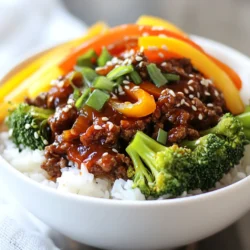
Spicy Korean Beef Bowls

A flavorful and spicy beef dish served over rice with fresh vegetables.
Prep Time 10 minutes
Cook Time 10 minutes
Total Time 20 minutes
Course Main Course
Cuisine Korean
Servings 4
Calories 400 kcal

Ingredients
  

  • 1 lb ground beef
  • 3 tablespoons gochujang
  • 2 tablespoons soy sauce
  • 1 tablespoon sesame oil
  • 1 tablespoon brown sugar
  • 2 cloves garlic, minced
  • 1 teaspoon ginger, grated
  • 2 cups broccoli florets
  • 1 medium carrot, julienned
  • 1 medium bell pepper, sliced
  • 4 stalks green onions, chopped
  • 2 cups cooked rice
  • to taste sesame seeds for garnish

Instructions
 

  • In a large skillet over medium-high heat, add the ground beef. Cook until browned, breaking it apart with a spatula, about 5-7 minutes. Drain excess fat if necessary.
  • Lower the heat to medium and stir in the gochujang, soy sauce, sesame oil, brown sugar, garlic, and ginger. Mix well to coat the beef evenly. Allow it to simmer for another 2-3 minutes, so the flavors meld together.
  • In a separate pot or steamer, cook the broccoli, carrots, and bell peppers until just tender, about 3-5 minutes. You can also sauté them in a little sesame oil for added flavor.
  • To assemble the bowls, place a generous scoop of rice at the bottom of each serving bowl. Top with the spicy beef mixture and then add the sautéed vegetables.
  • Garnish with chopped green onions and sprinkle with sesame seeds for a nice crunch.

Notes

You can adjust the spice level by adding more or less gochujang.
Keyword beef, korean, rice, spicy, vegetables